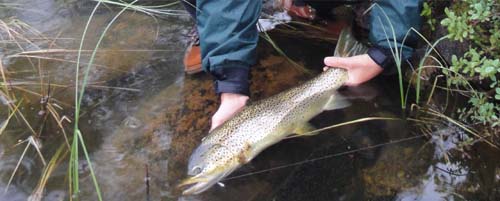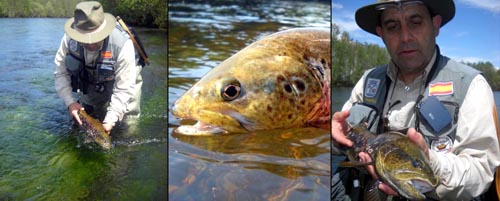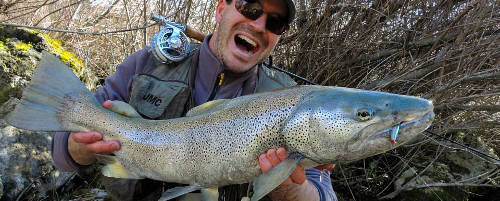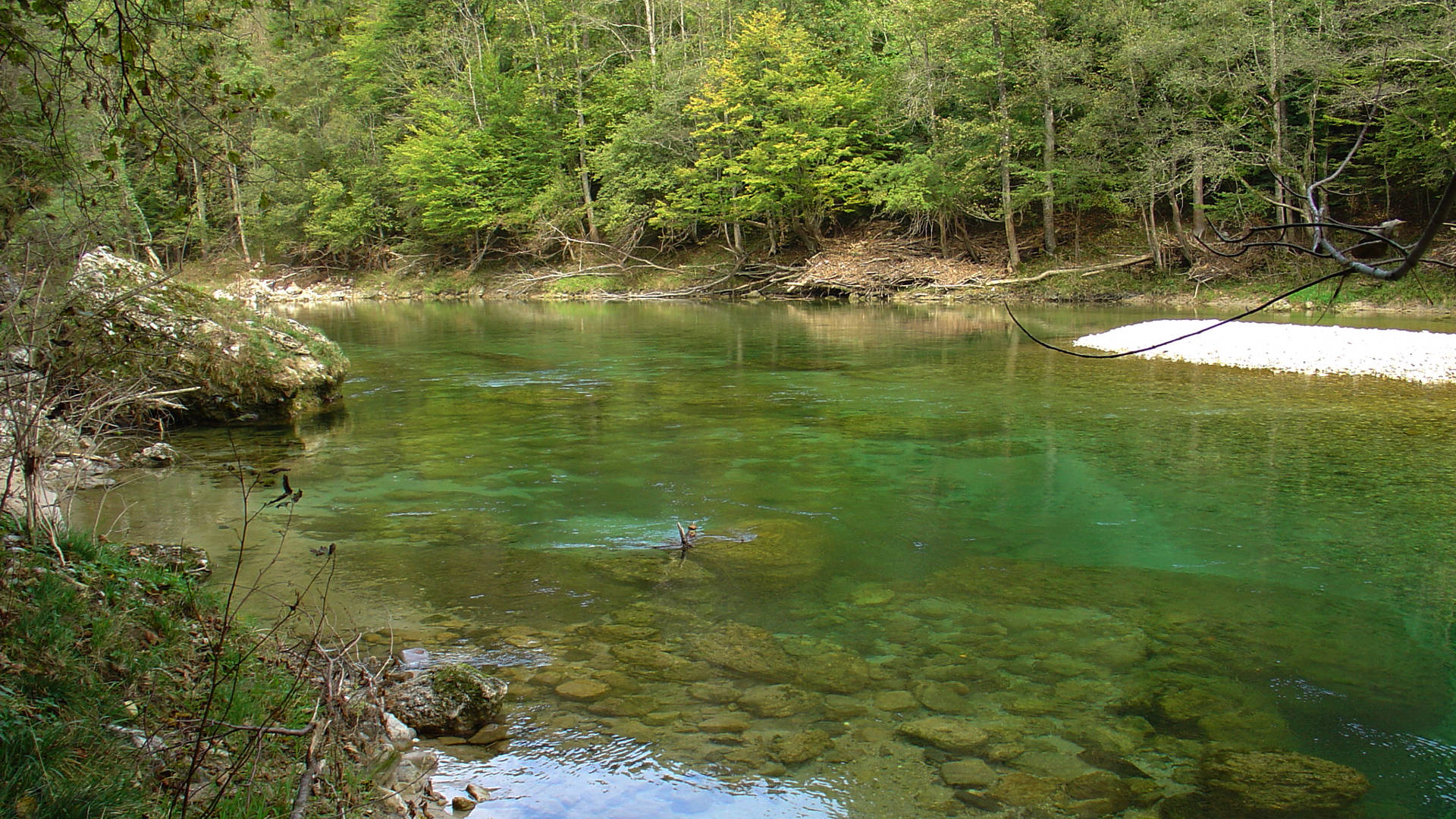
All the pictures here presented, insects included, were taken on Ybbs in the beginning of October.
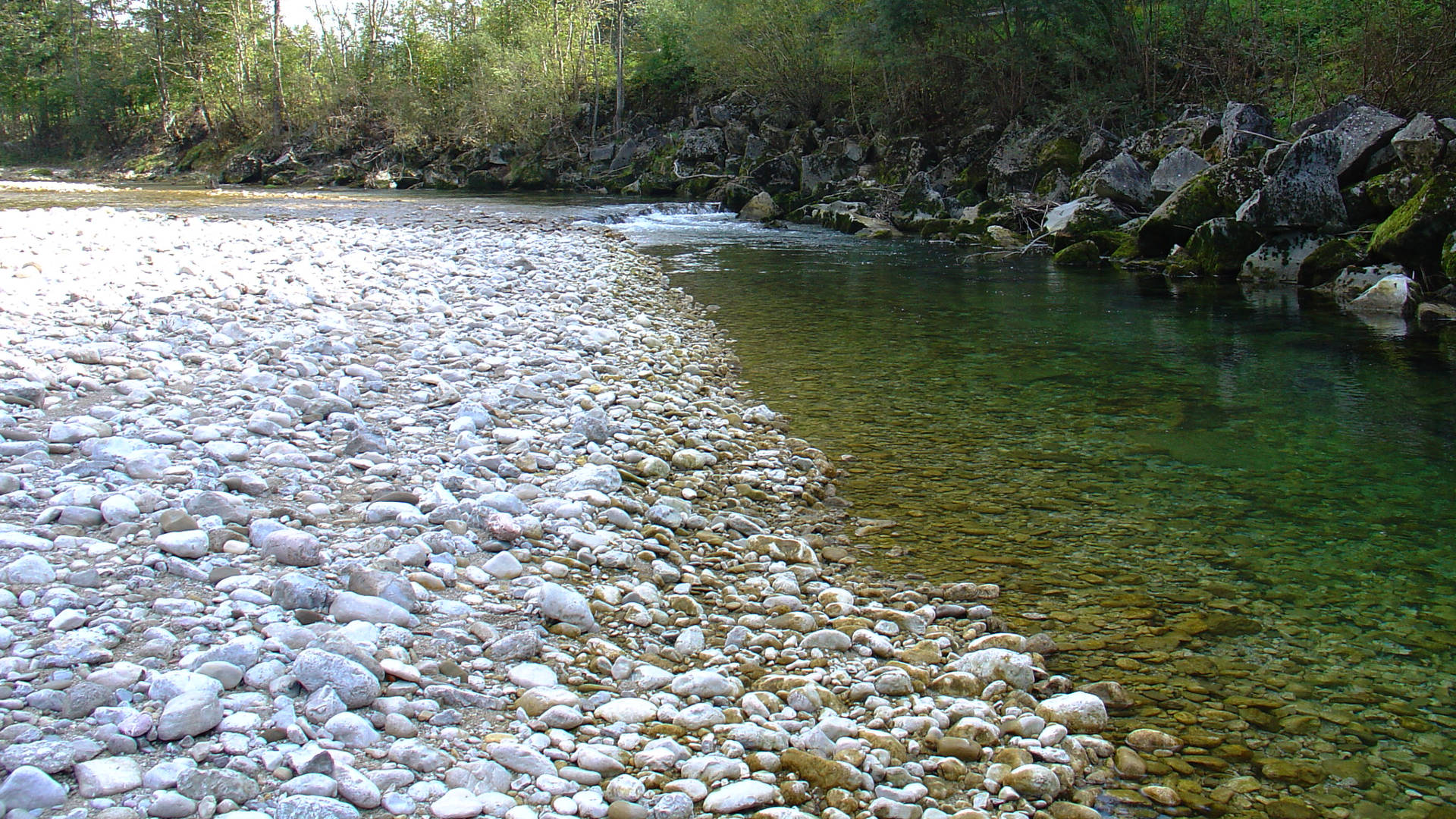
The Ybbs is a classic alpine stream, in the austrian region named Niederösterreich.
The spring is located close to the border of the Steier region, at the feet of the Zellerhut mountain.
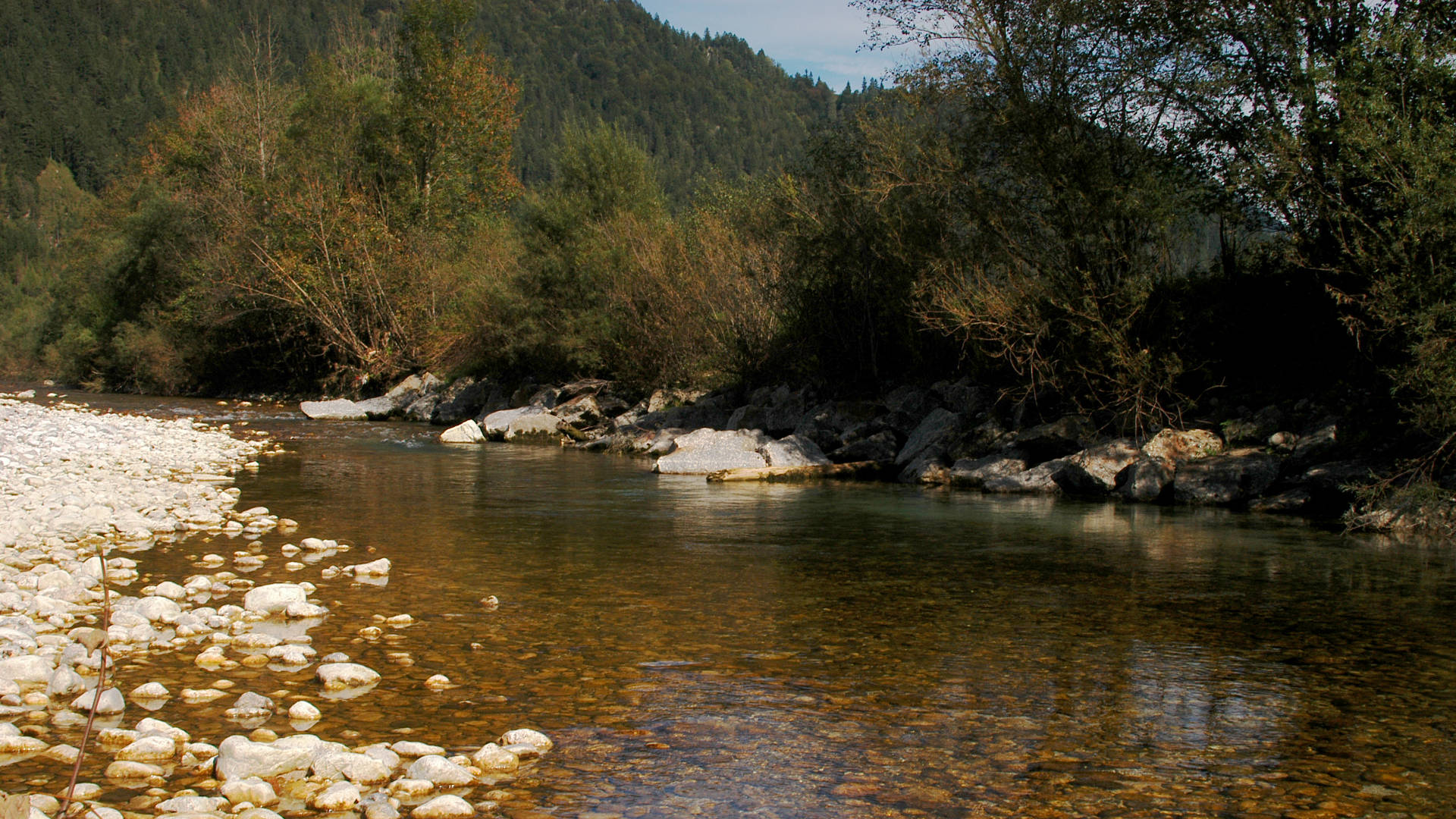
The river is called in its first 5 km White Ois, then Ois till approximatly the village of Lunz am See and then Ybbs. The parts interested by the visit were the ones in Opponitz (Revier II, Revier Hollenstein and Revier IV) and the one in Waidhofen upstream of the homonimous village.
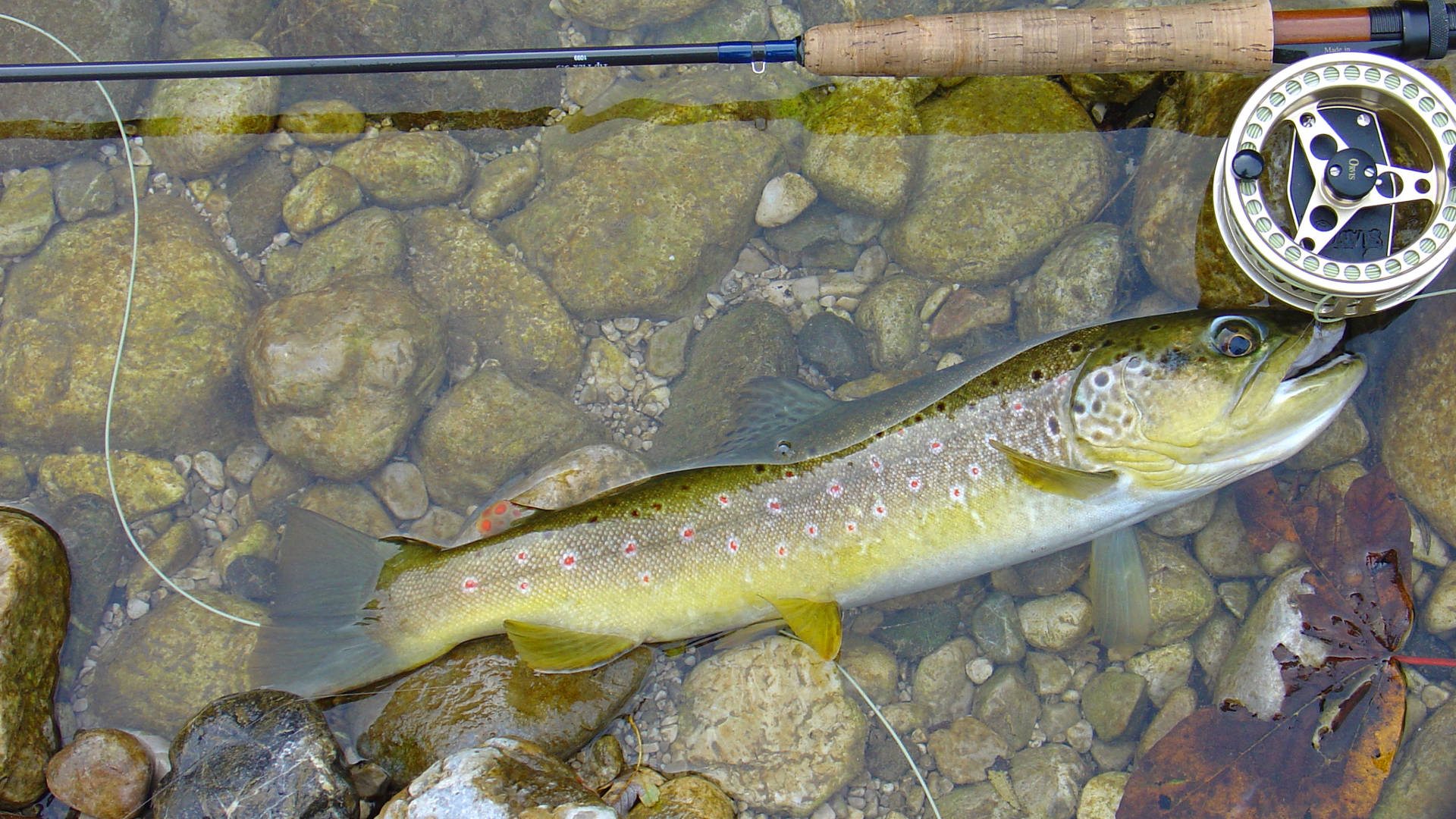
In the highest part (Revier II) a sequence of riffles and small
pools characterize the stream. Here the fish population counts wonderful brown trout,
rainbow trout and grayling.
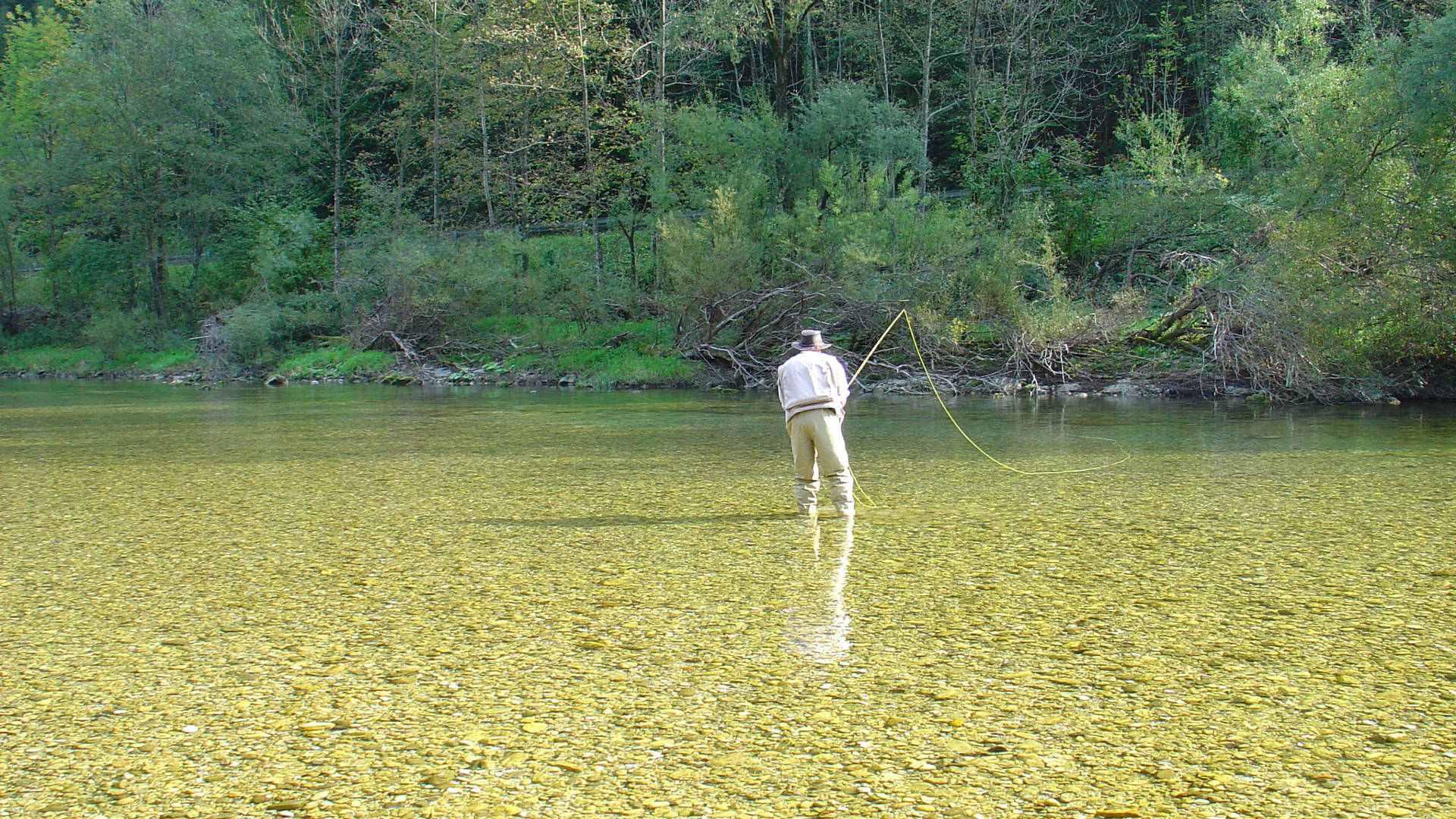
In the picture above and the three previous ones:
Revier IV upstream of the Blamau locality
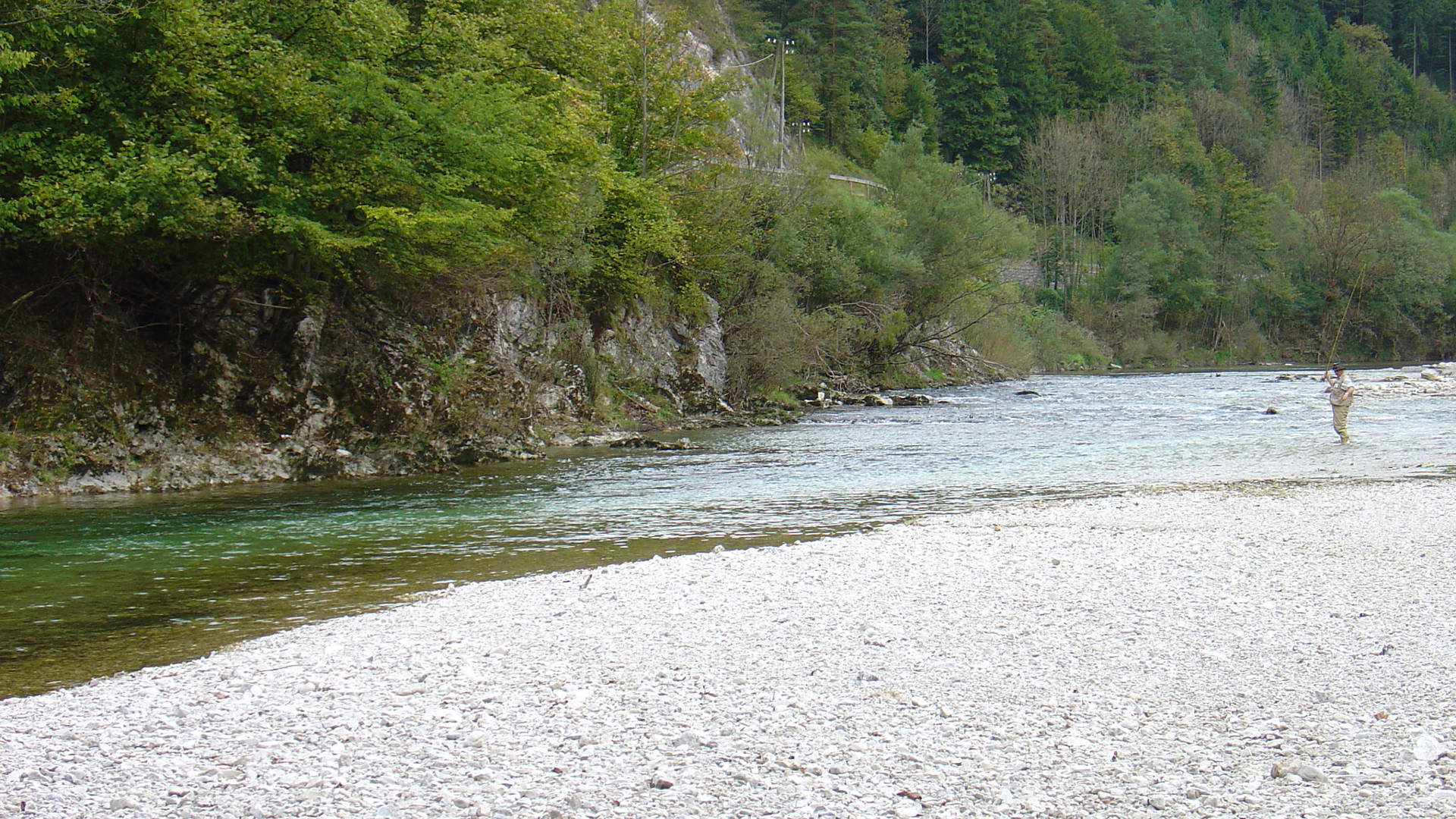
The way to get near to the water is key to the successful catch of the big fish. Casts
from the distance, 12 m of more, are required not to spook the fish.
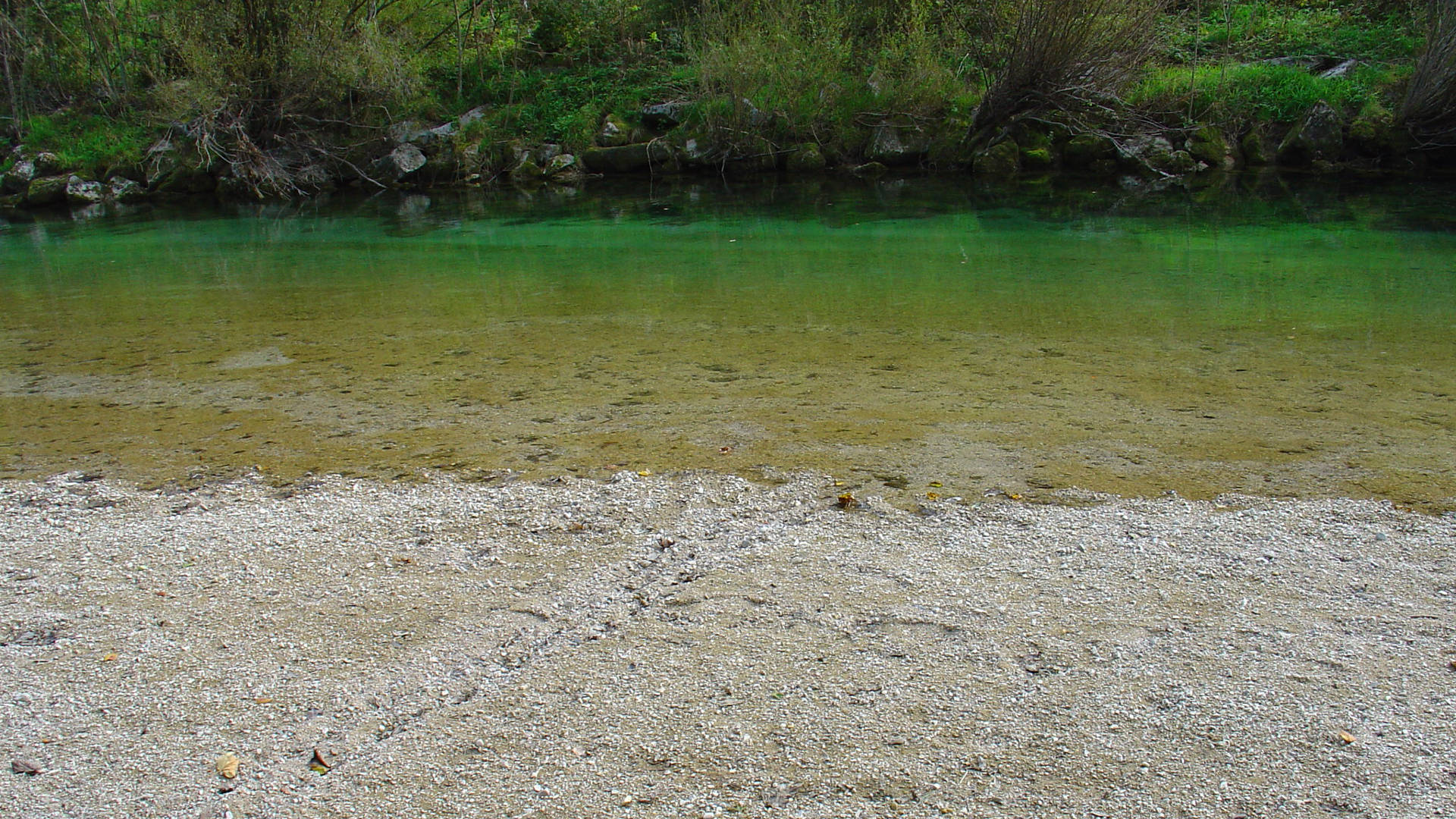
The water is cristall-clear to the unlikely. Grayling can
be seen rising among brook trout and rainbow. Often a small precise imitation can make the difference.
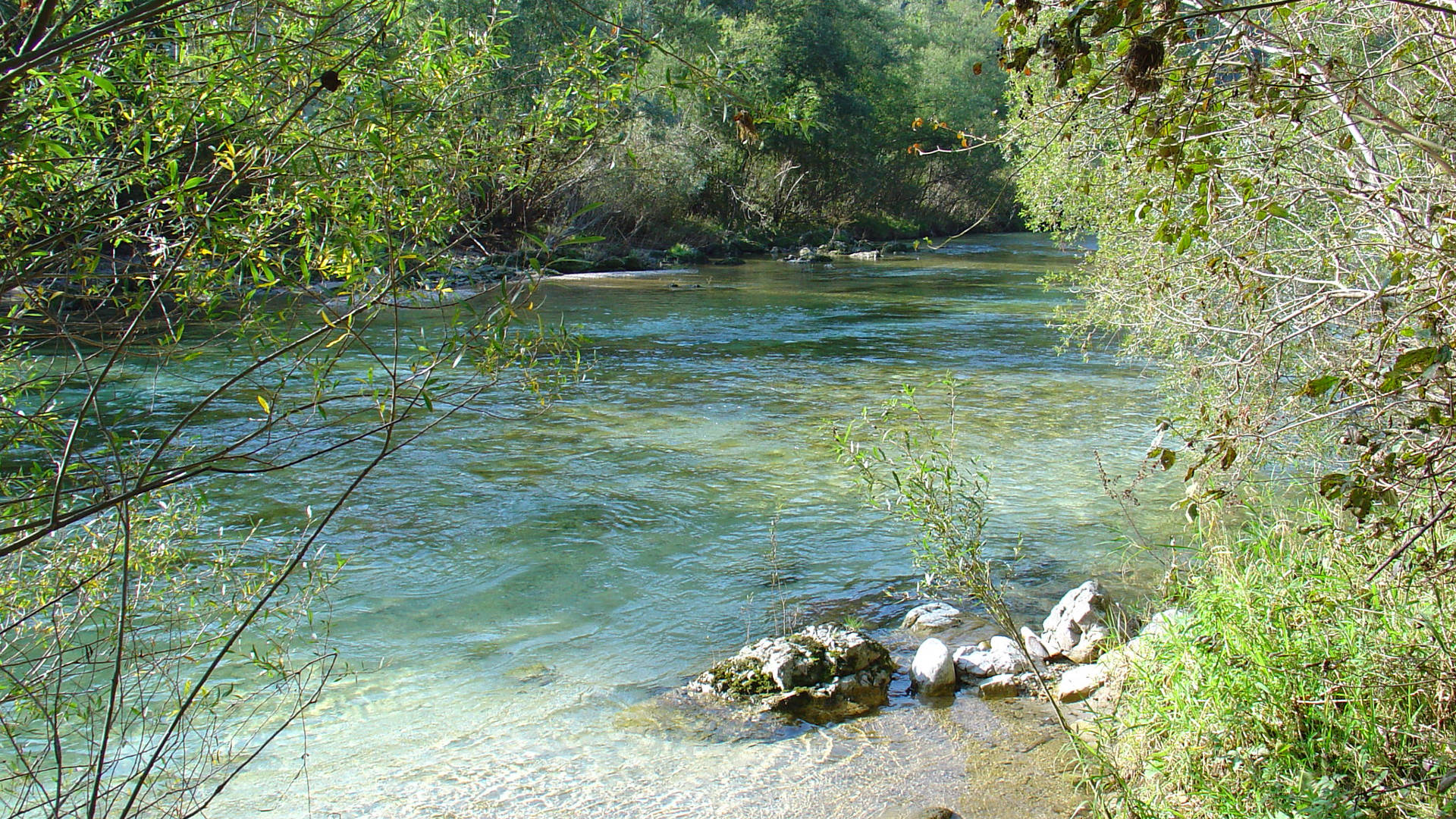
In the pictures above:
Between Revier II and Hollenstein, here the river becomes wider
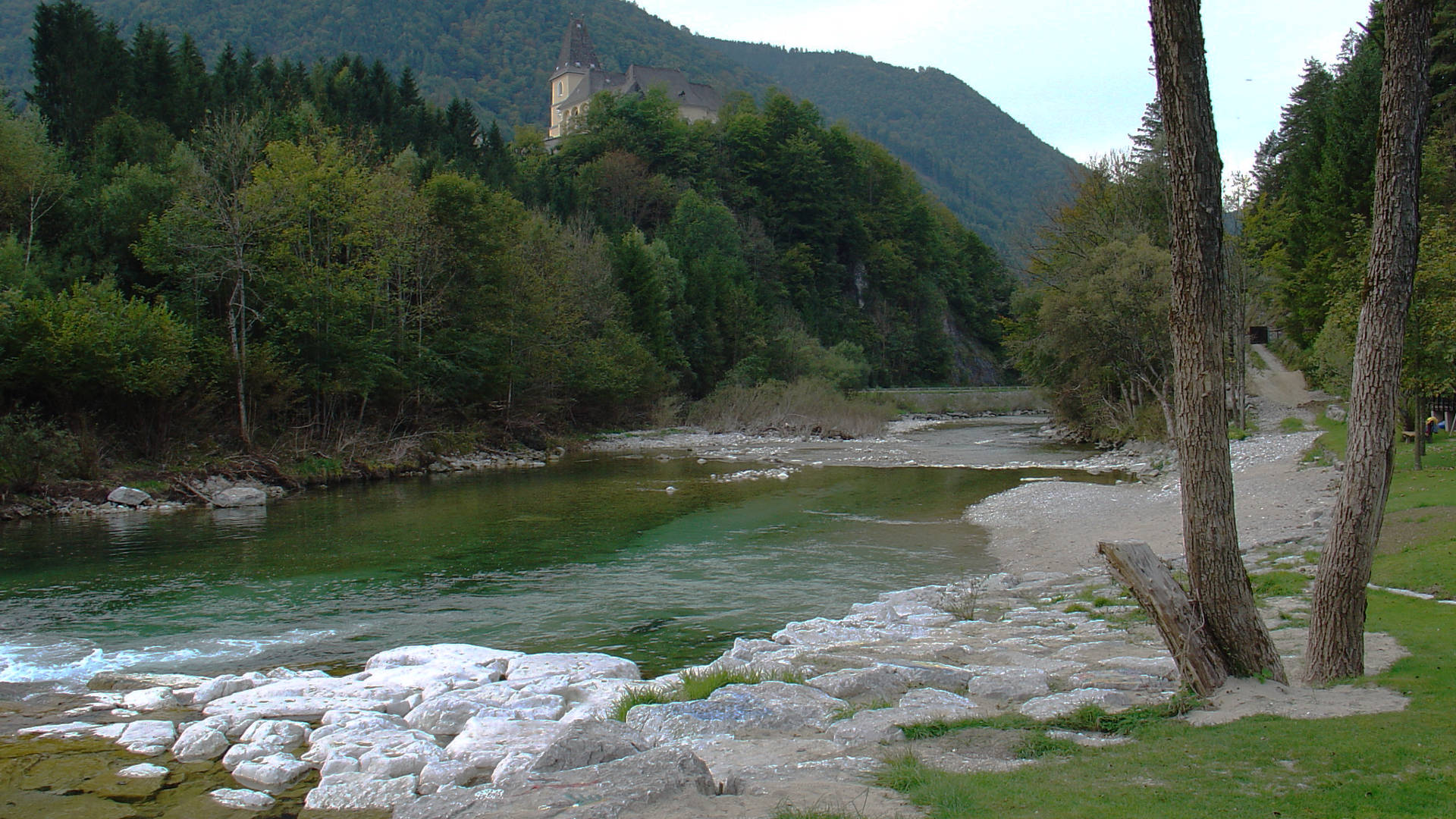
A hotspot for huge fish: a small dam forms a deep pool. The fish is easily spooked but I happened to
see (not to catch unfortunately) trout of > 50 cm. rise to catch insects from the surface. Moreover the
presence of some Huchos (Danub salmon) of 100 cm. or greater,
can contribute to a heart attack for those who "dare" wade
at dusk.
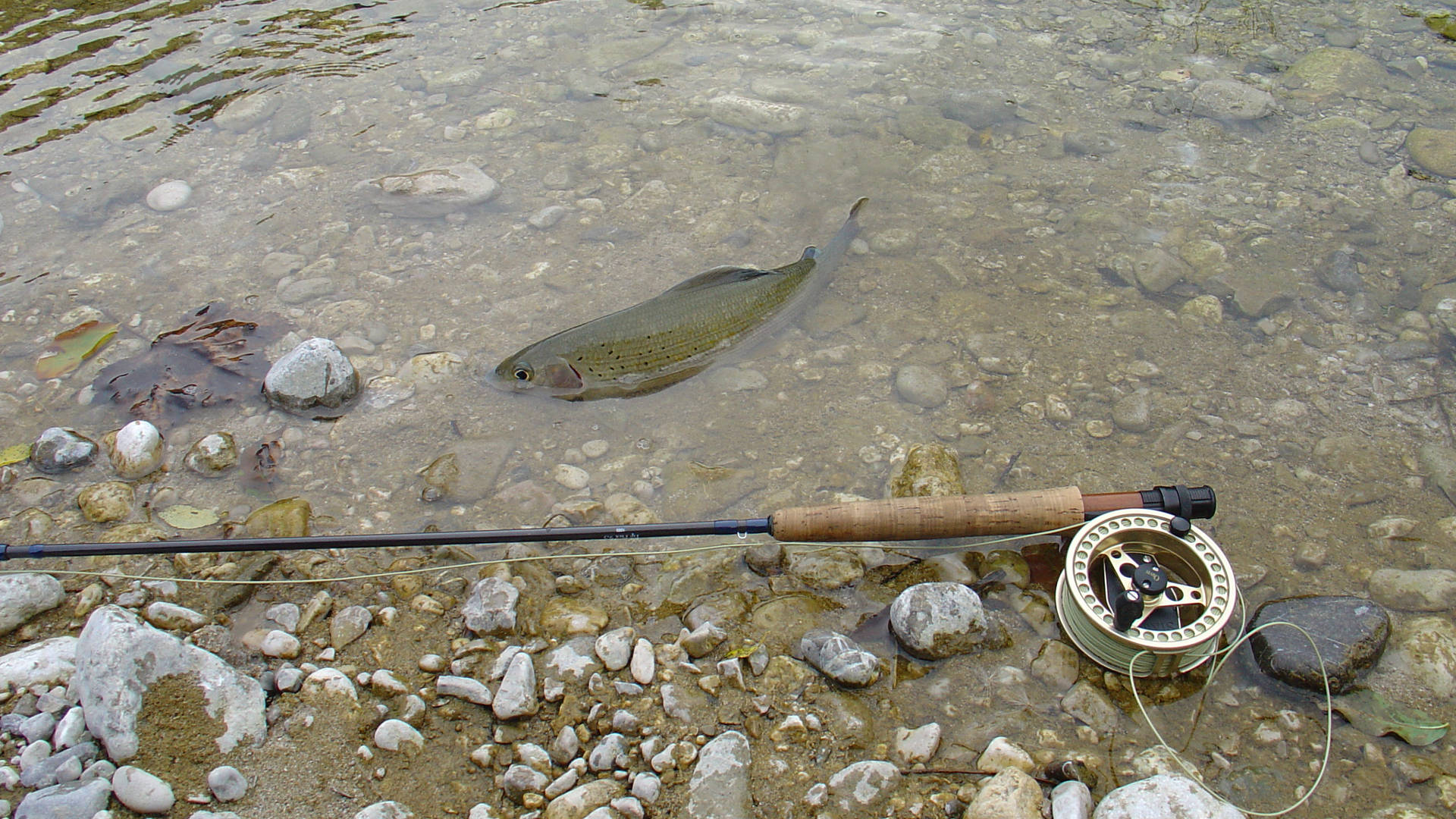
Here big grayling eat their part of flies too, however they seem to prefer the ones tied on thin
tippets. It will be good to employ leader ending with 0.12 mm. or even thinner.
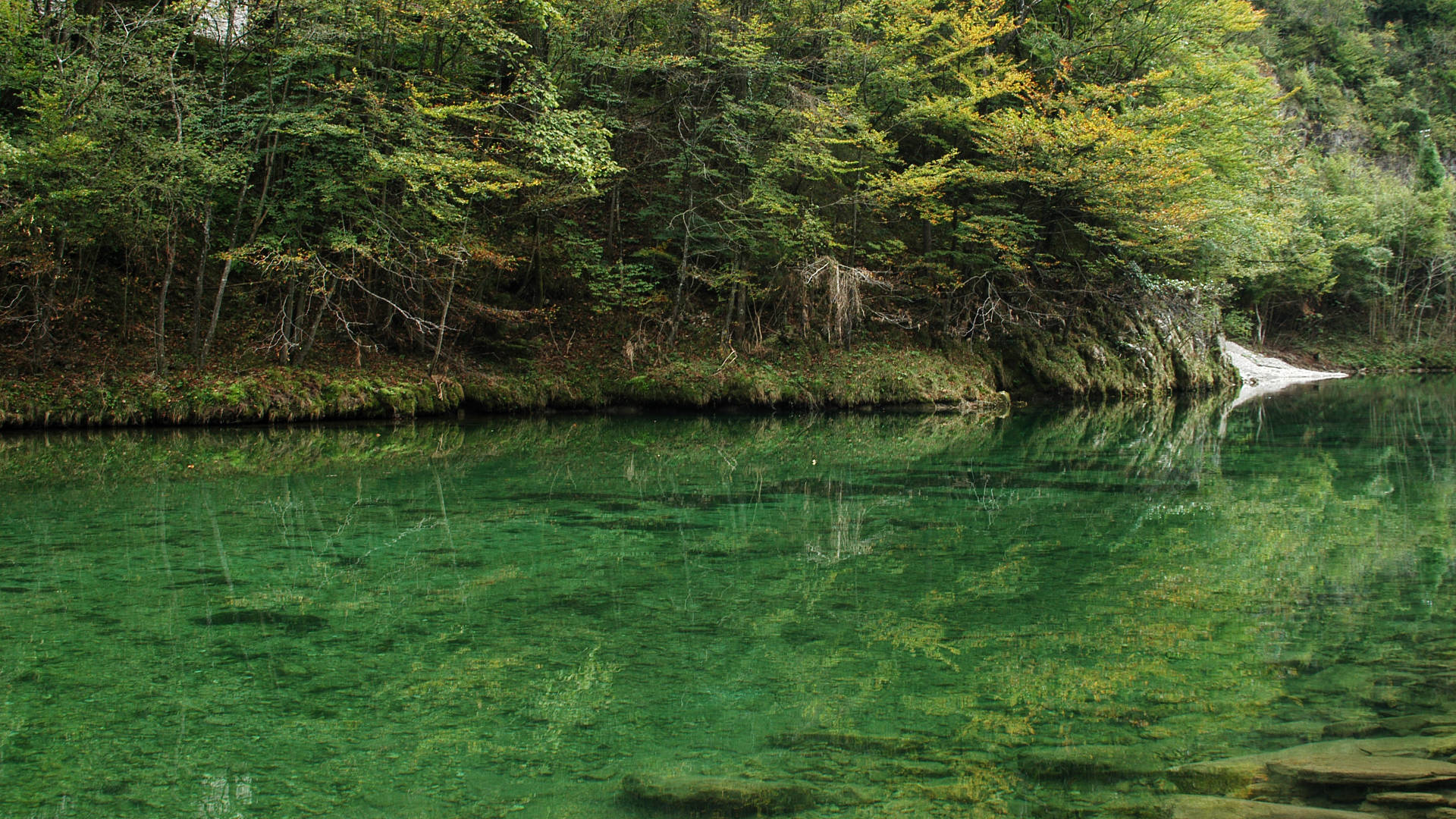
The Waidhofen reserve stretches for 6 km. upstream of the village of Gstad. The water is deep, flows often slowly and in some parts it is allowed the use of the belly boat. (check details when purchasing license).
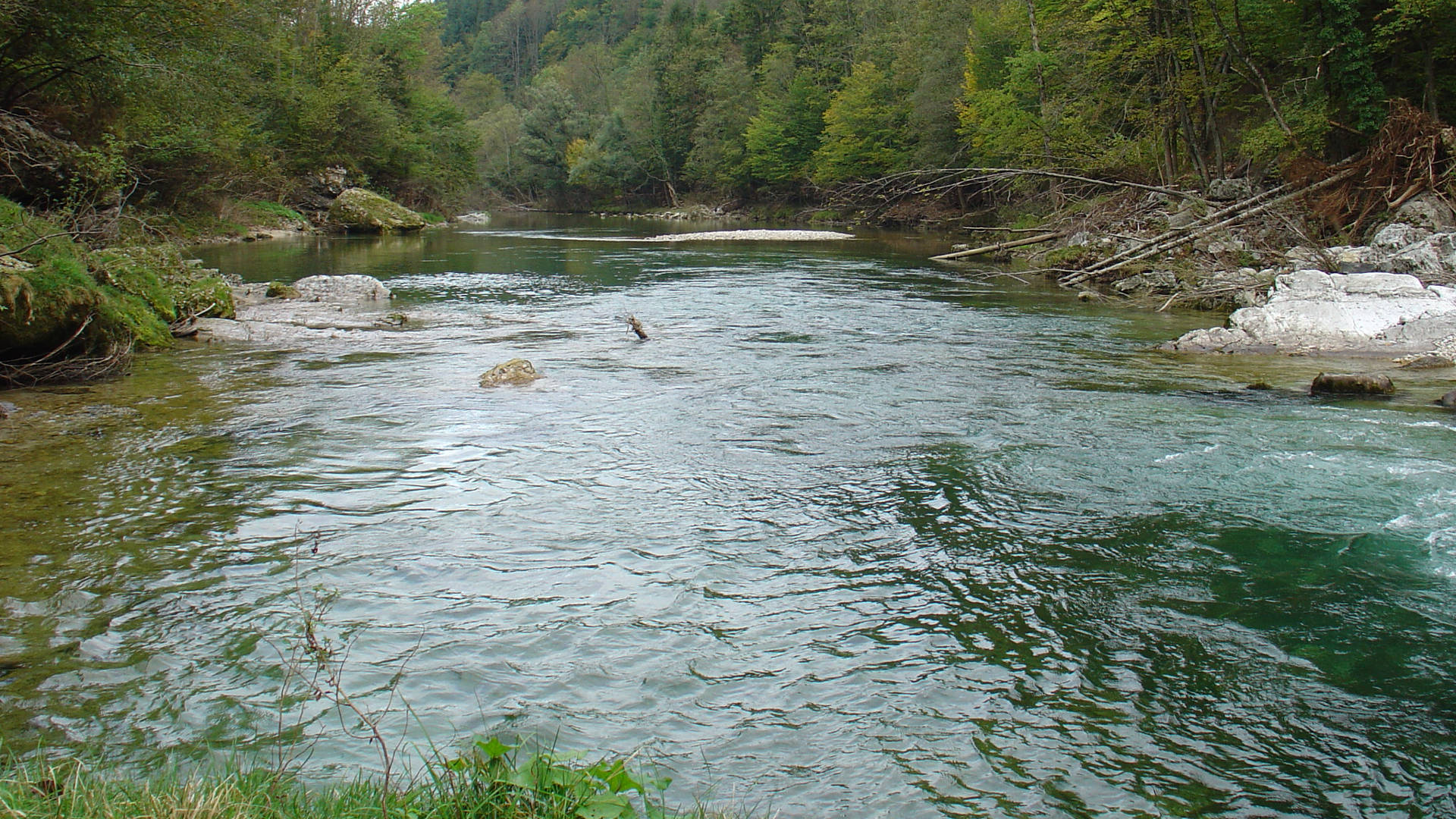
For those who prefer to fish on the sides or in wading rather then with the belly boat, there are beatiful and wild landscapes, the stream has a meandering course and alternates riffles to deep emerald pools.
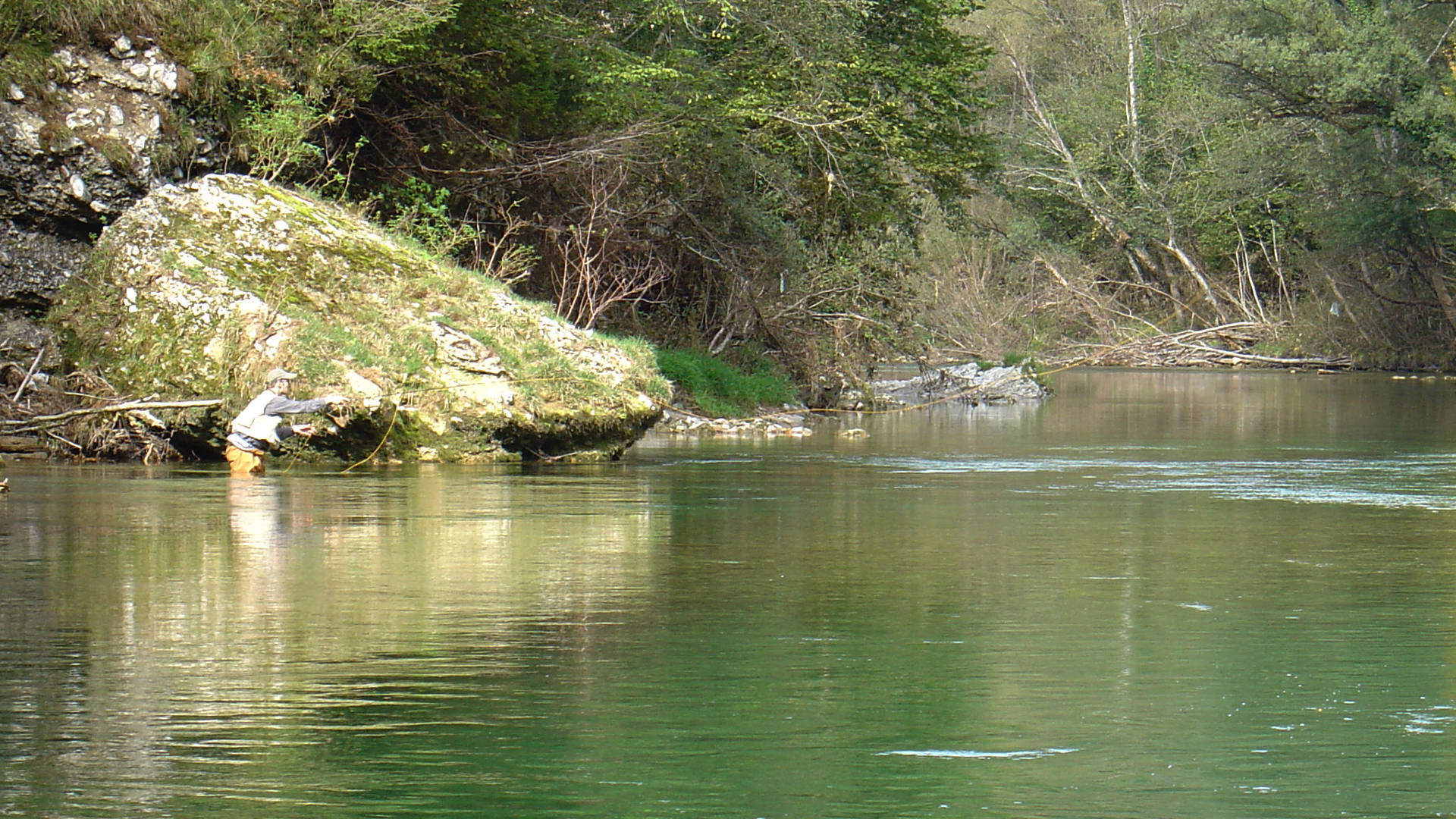
Deep gorges can sometimes be a hurdle in approching the river but give in return spectacular views.
The rainbow trout are here extremenly selective, it is not always easy to match the taste of the moment.
Sedge patterns have offered some casual catch, small olive or yellow emergers have ruled in this stretch too.
Nymphs and streamers can be used to reach fish stationing in the depth of the pools.
.
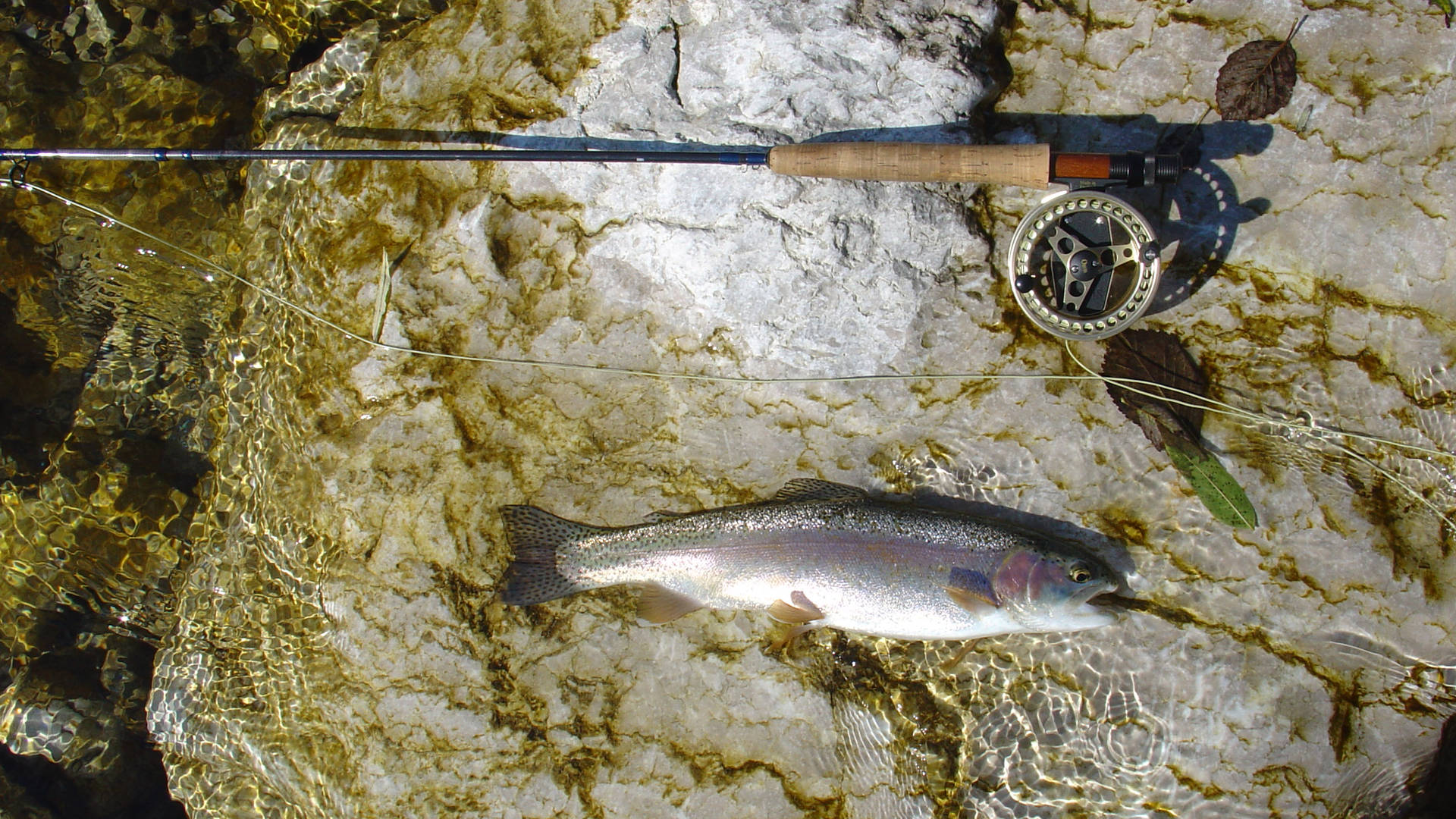
The presence of rainbow is in this part of the reserve more remarkable,
apparently this fish reproduces here spontaneously, which is not often in european rivers.
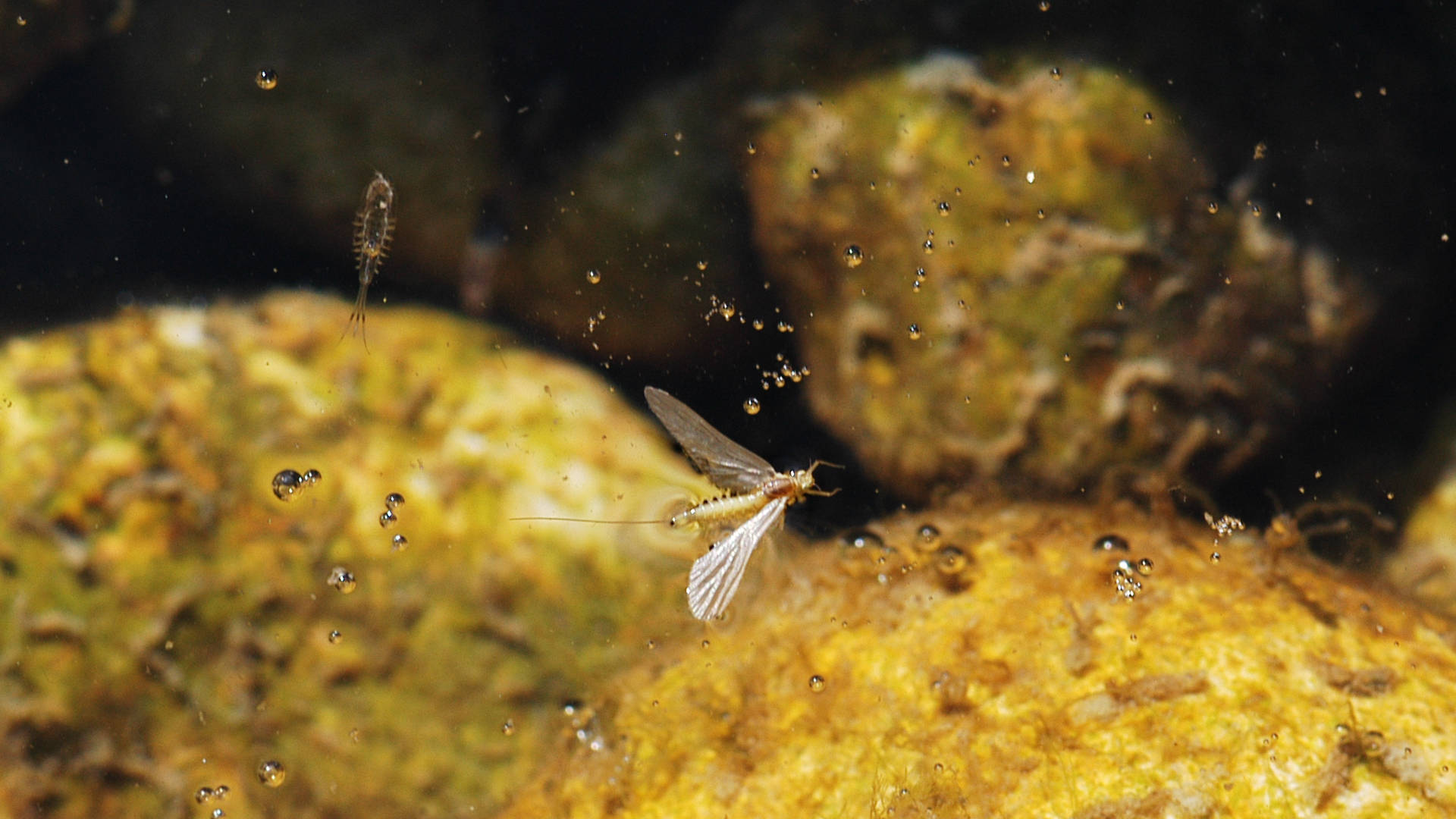
A mayfly of the Beatidae family. After releasing its
exoskeleton, it struggles amid the superficial tension of the water.
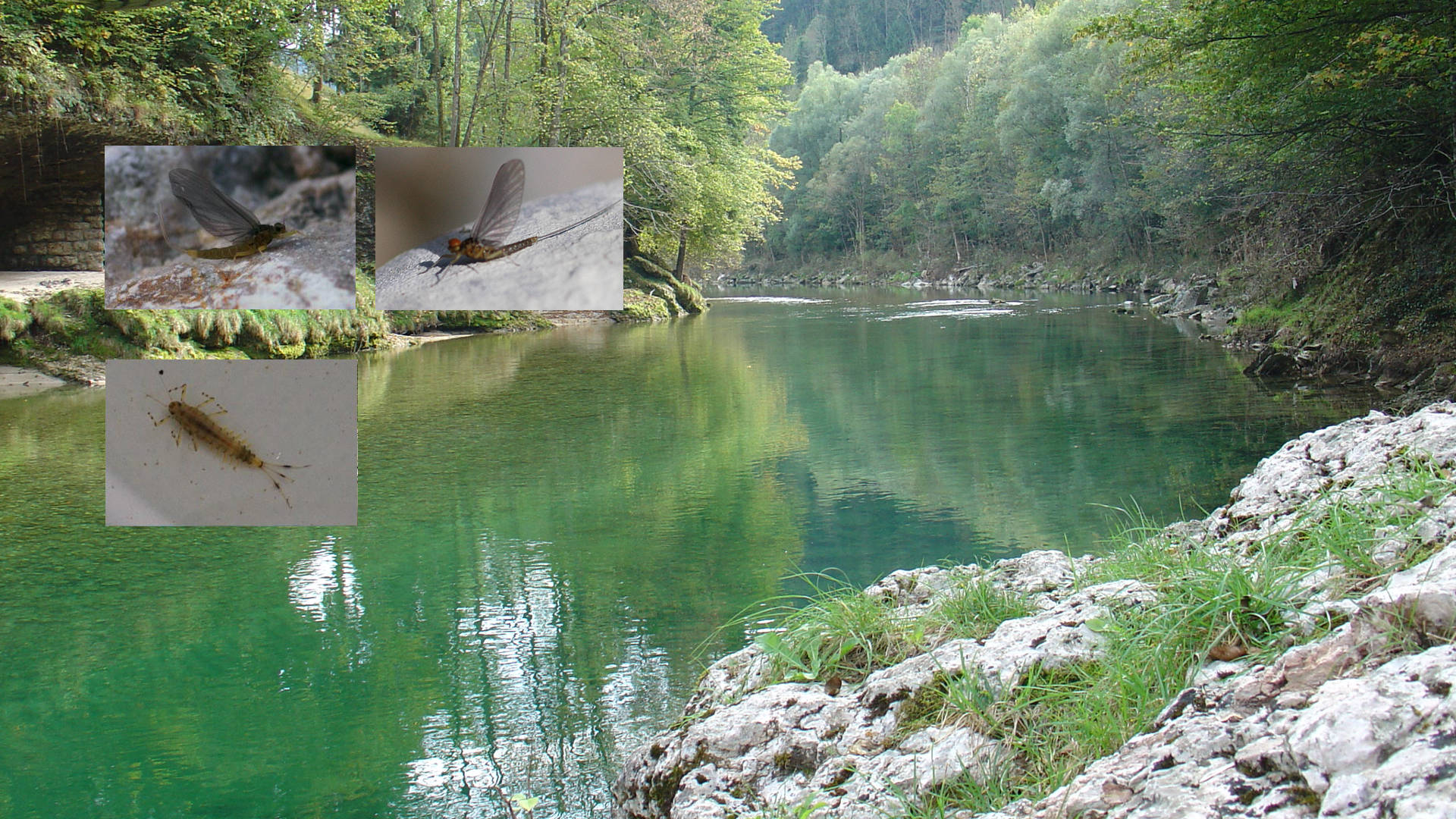
- Above: Baetis subimago, female and male and underneath nymph -
During these days of October this small mayfly (6 - 8 mm.) has been one of the prime actors.
Almost invisible in the distance on the surface, the impression was that the fish has been feeding on it a lot.
The take was almost unpercievable, just a very delicate ring.
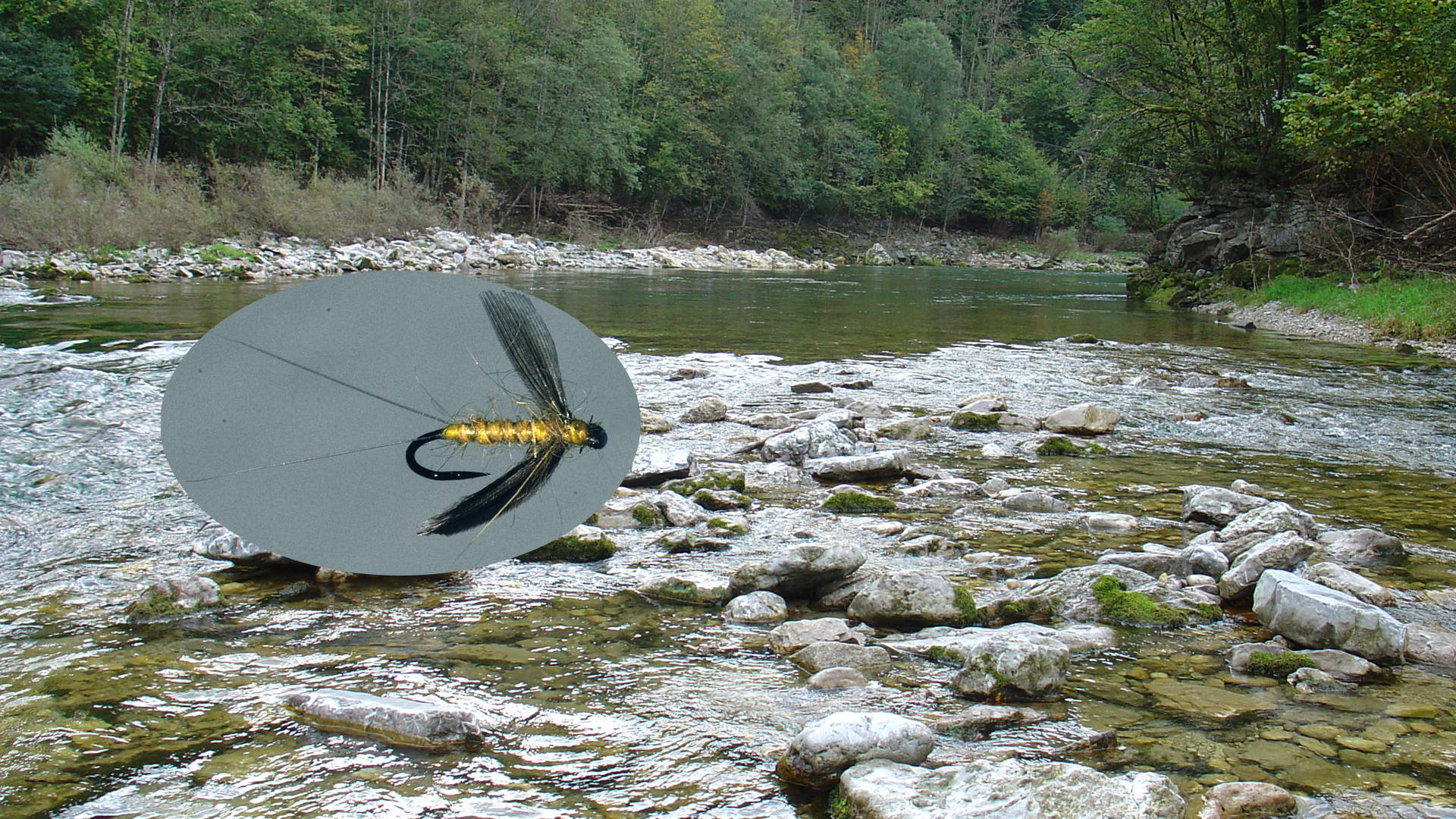
The Baetidae nymphs are fast swimmers, however when they emerge to hatch, they drift for a while,
captured in the water film, before being able to break through the exoskeleton. In this phase they are
particularly vulnerable. Small emerger patterns like the no hackle above in the picture, hook size from
16 to 19, have been the ones offering the best results.
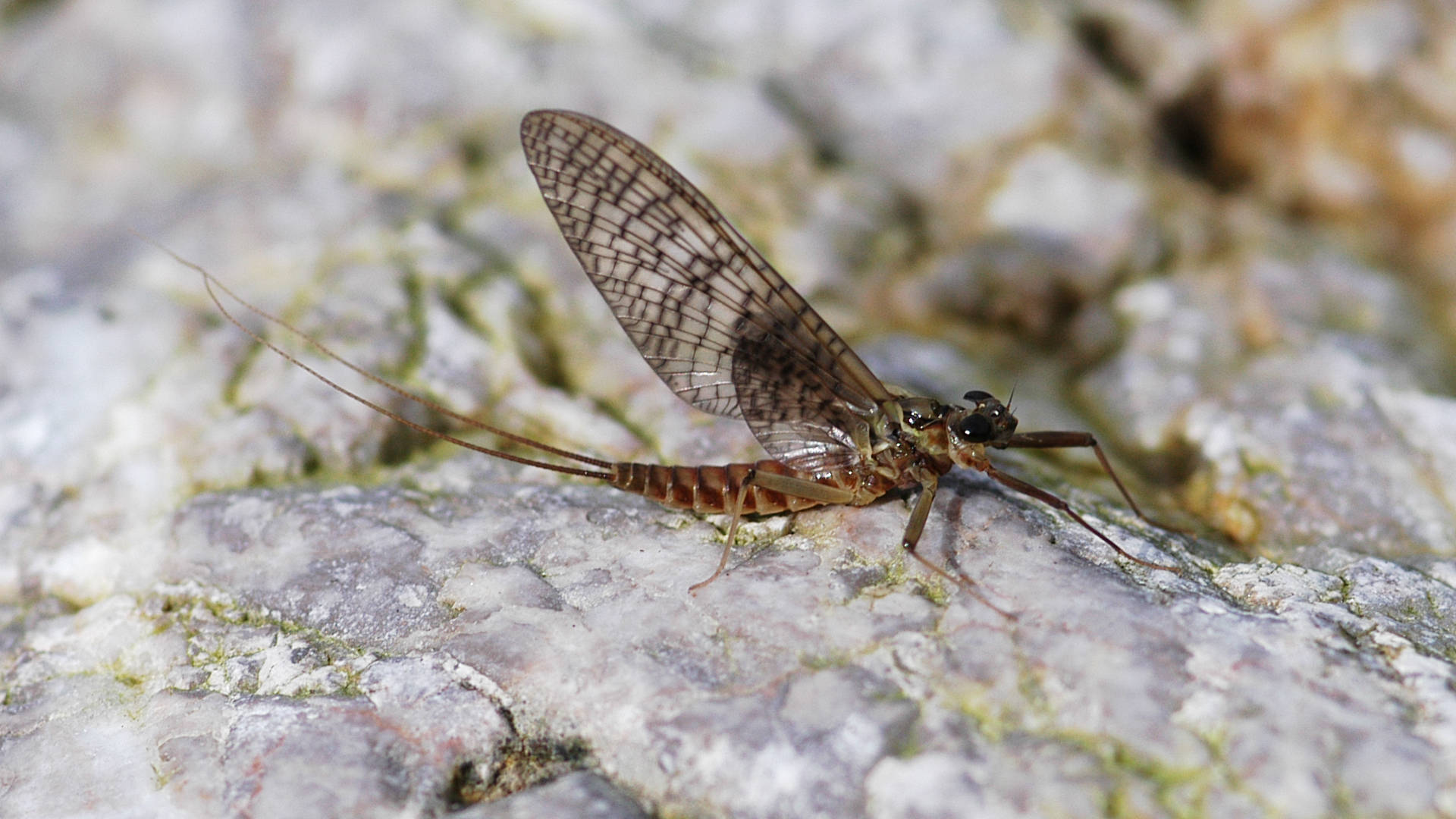
Another mayfly present in the mopnth of October (but not only): Ecdyonurus portrayed under the sun
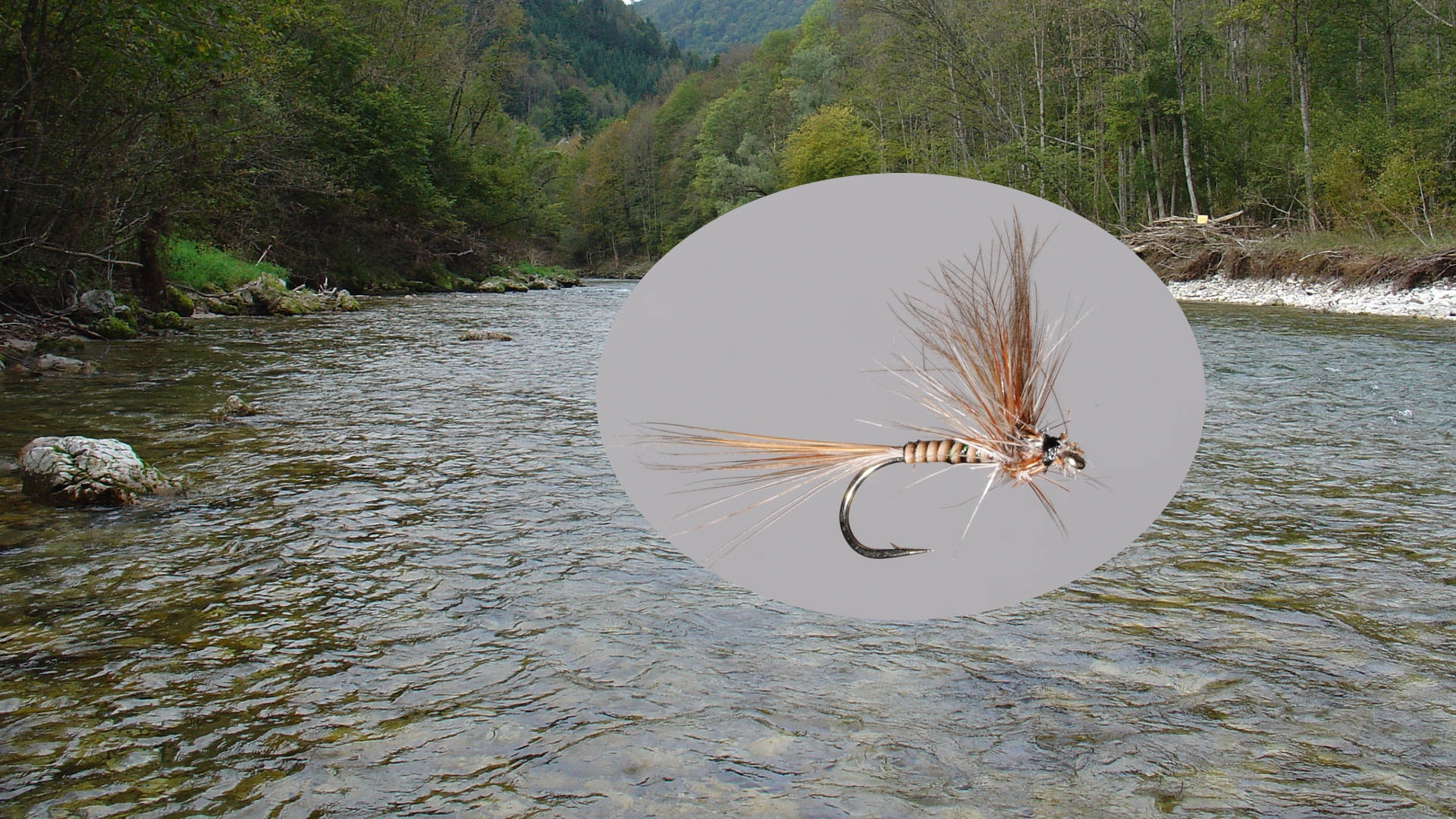
Another pattern which turned out to be catchy was the Ecdyonrus. This pattern has worked well in hook size
from 12 to 14, especially in the morning hours, moreover it stimulated the appetite of graylings too. Models with
body in quill/biots with CDC wings or the classic klinkhammer in the right color have been very useful.
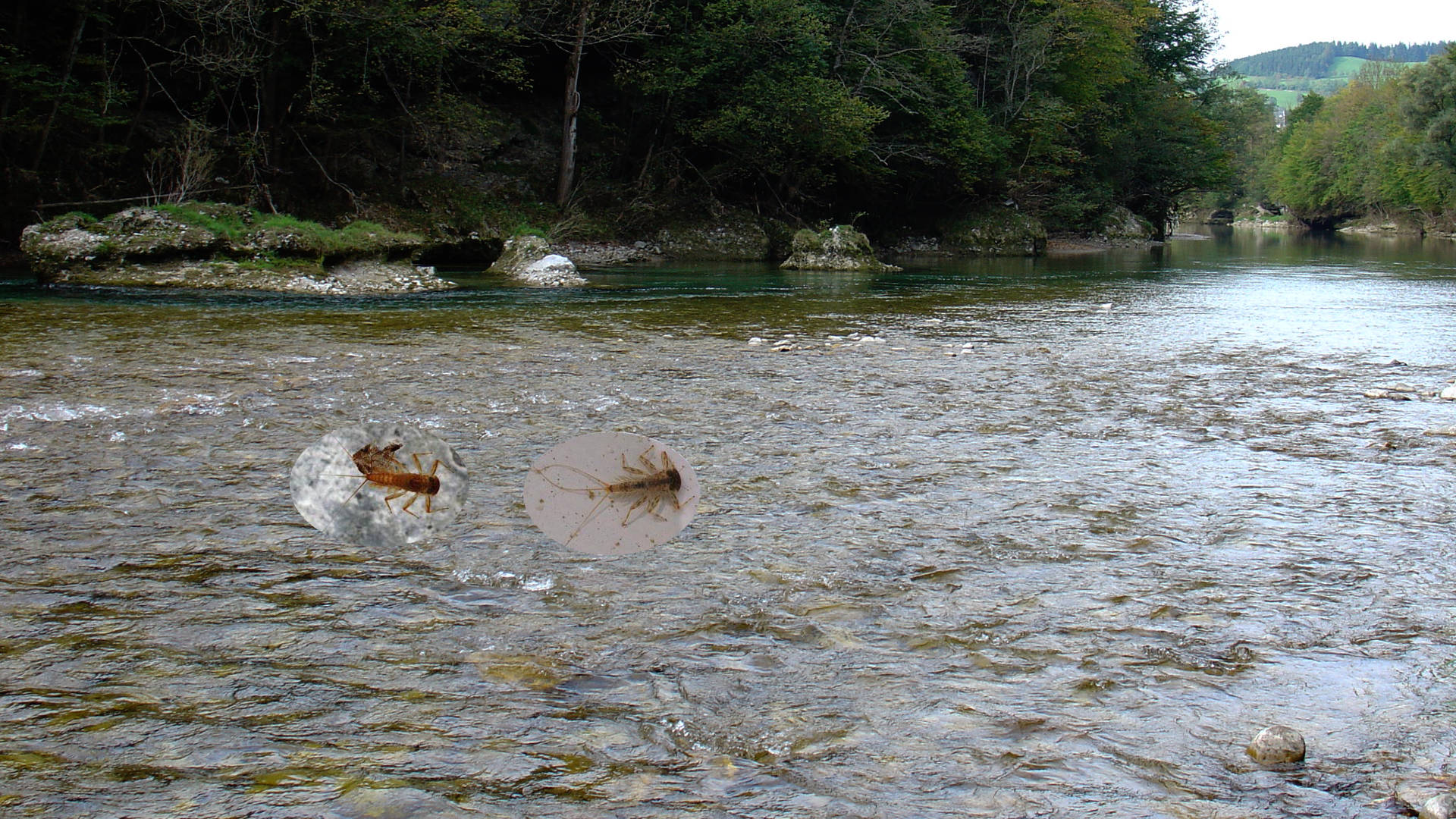
The Ecdyonurus nymph is widely spread in Europe with more then 20 species. They can reach 2 cm
. in size, they hatch by climbing on the rocks in proximity of calm waters. Although I had some success
with the nymph fishing during the low activity periods of the day, I must admit that I have been more exploiting
the potential that this type of water offers in regards of the dry fly.
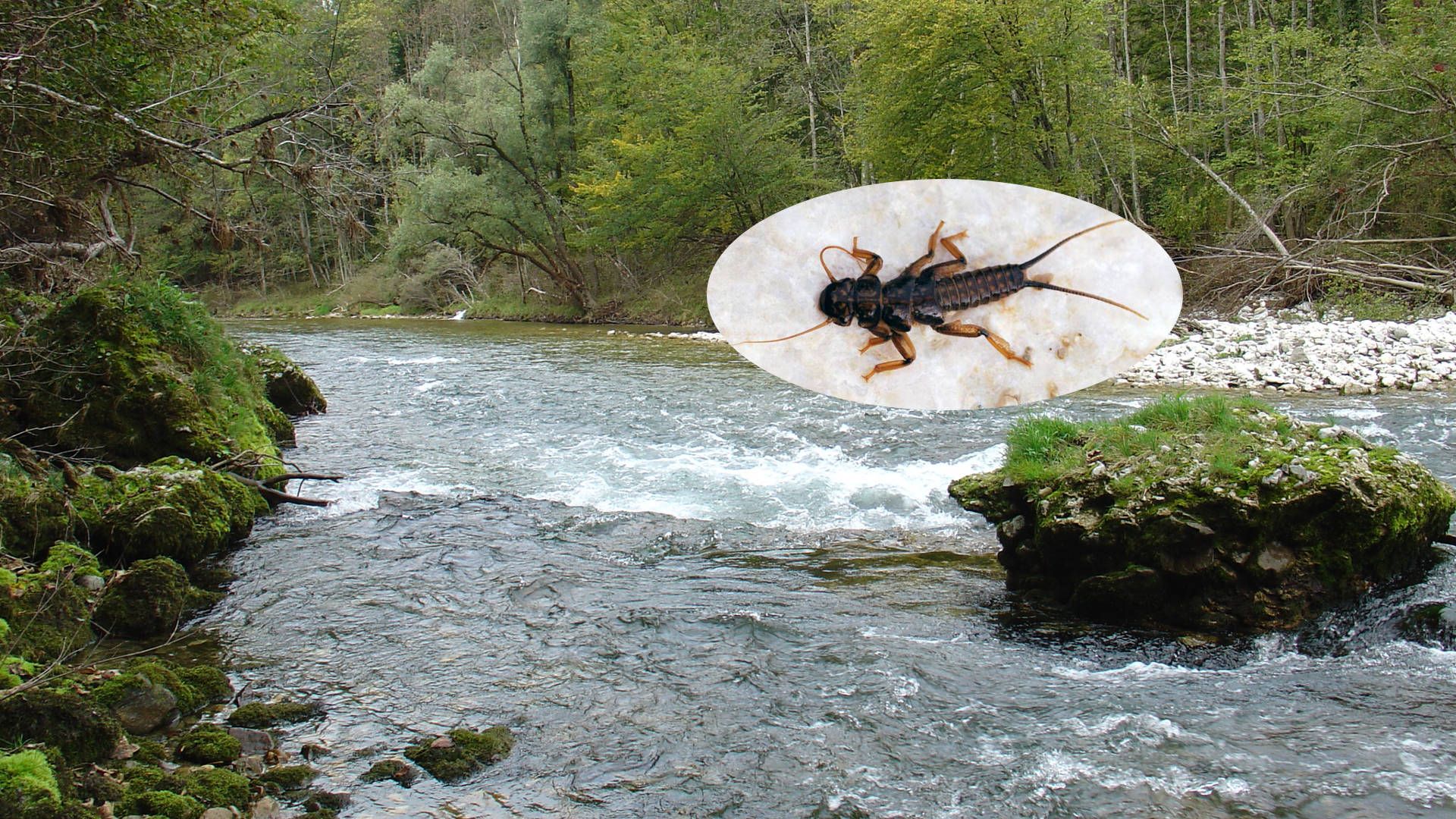
A big Pearlide genus Dinocras discovered under a peabble in a riffle. Although widely
present as larvae the large stonefly is not present in this month (October) as winged insect.
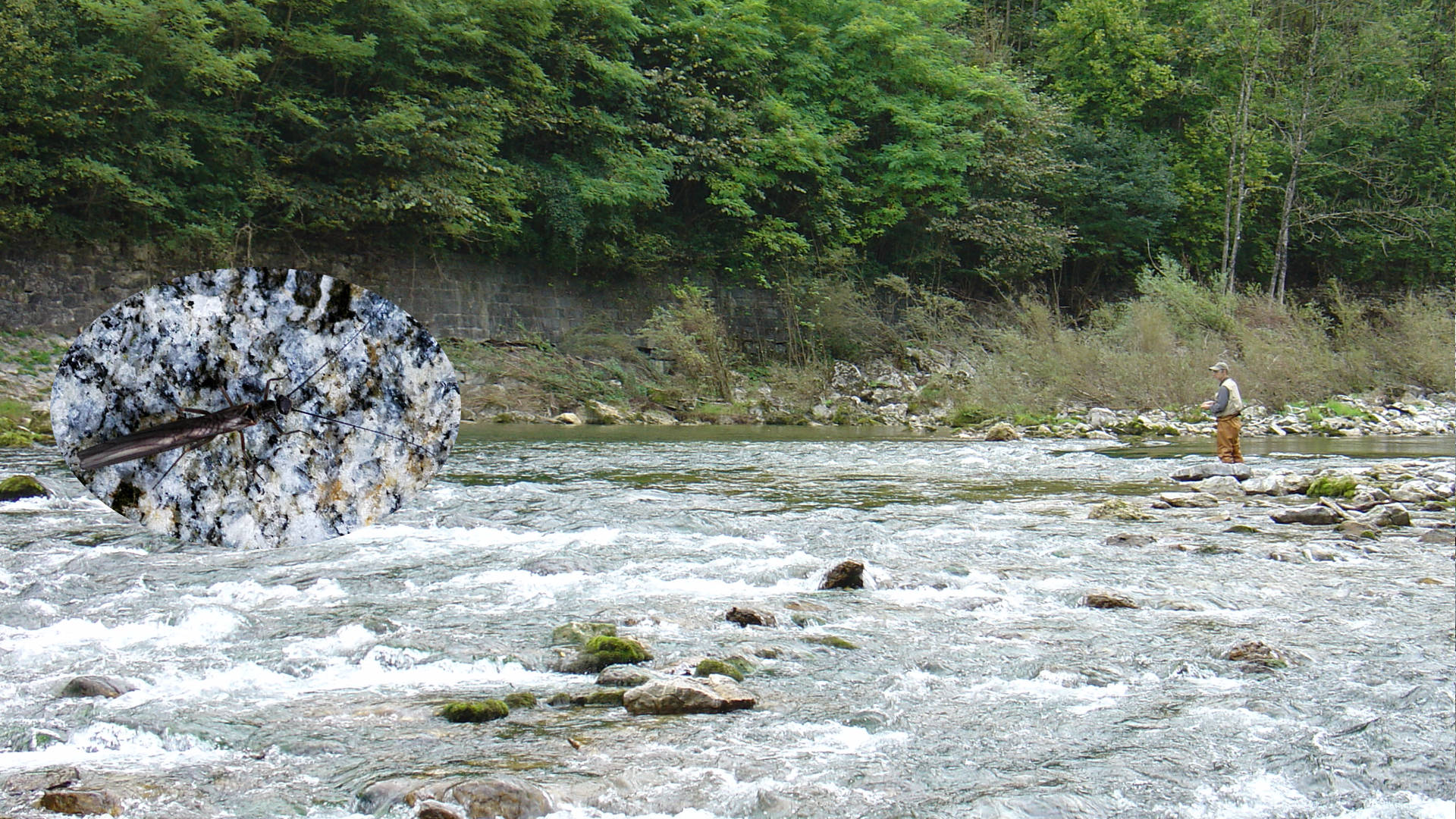
From the perspective of the dry fly the plecoptera order was represented by very tiny and dark Leuctridae.
They hatched with some peaks during the all day. I had good results with small patterns in feathers and hackles
in size from 16 to 18.
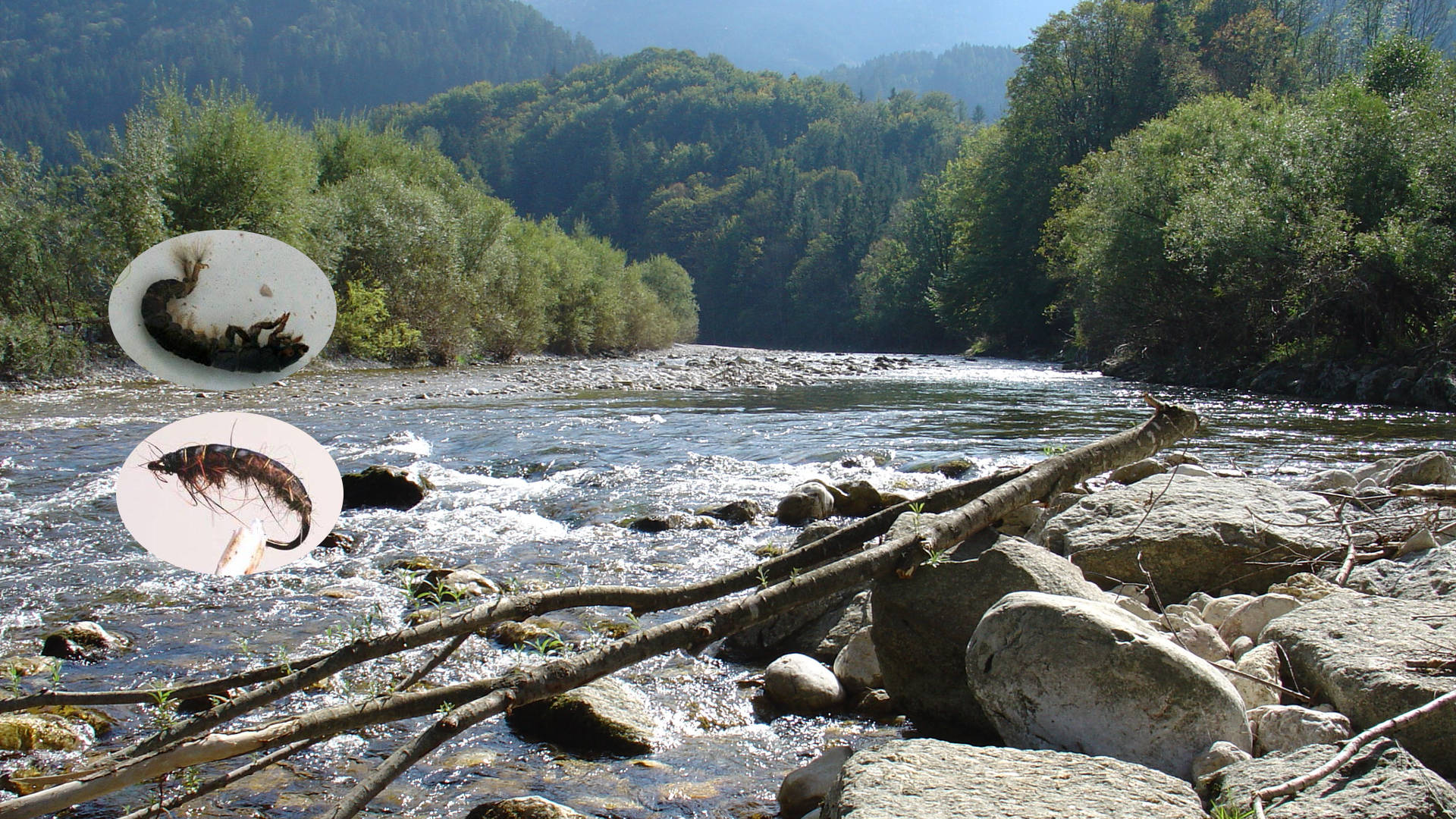
Hydropsyche larvae of the Thricoptera order (sedge). It grows upto 2 cm. in lenght. Althoug a
typical bottom dweller, it can drift with the stream and become a beloved prey of the fish.
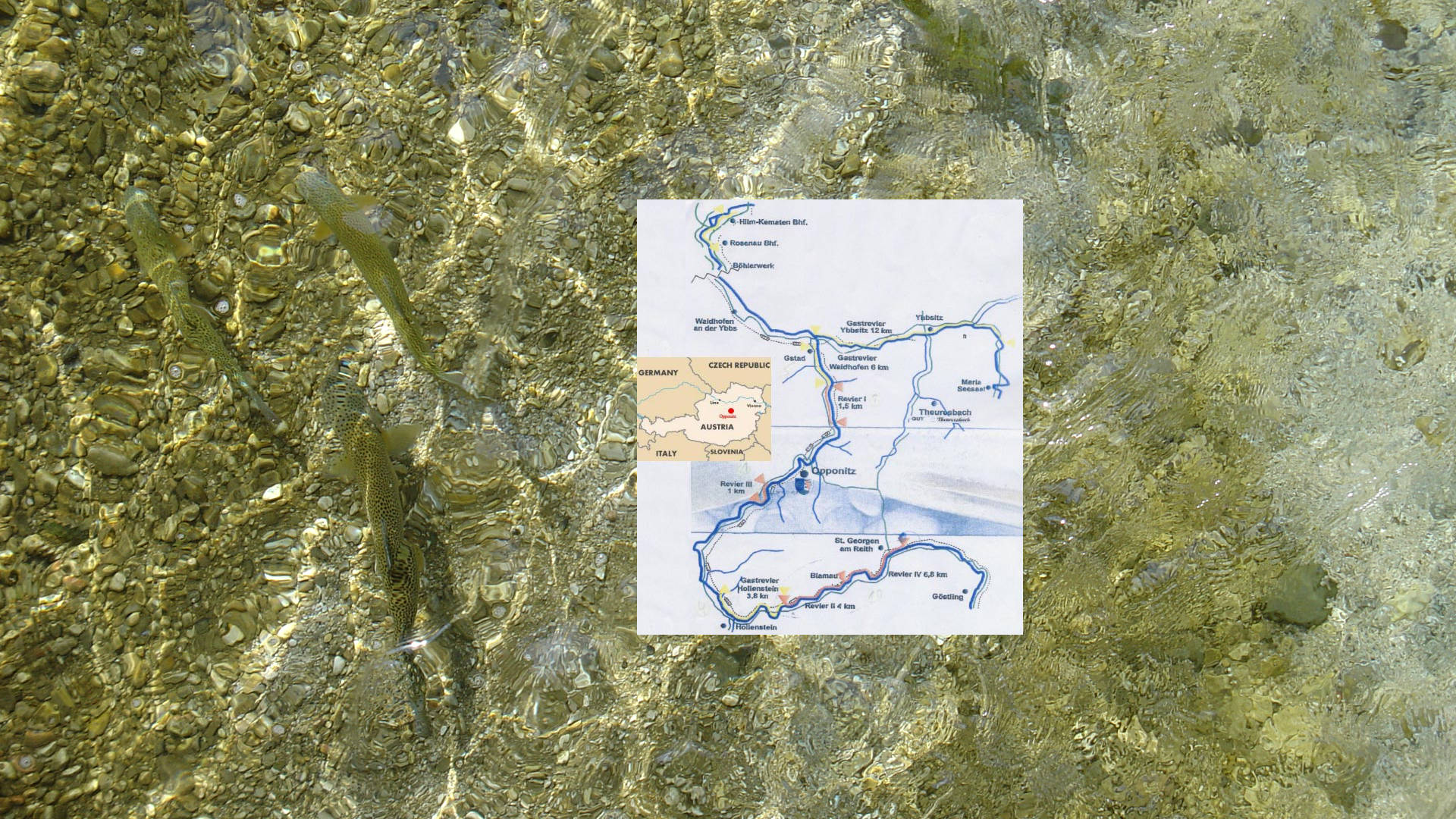
A map of the Area and its zones