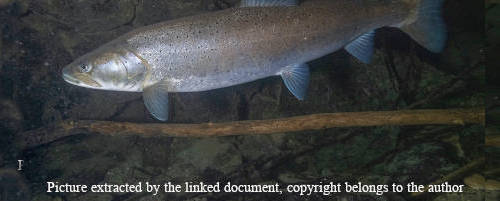
Danube Salmon
The middle part of the Sava River inSlovenia provides one of the longest free-flowing habitats for huchen.
- A research by University and Fishery of Slovenia -
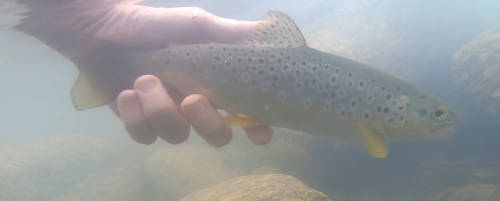
C & R facts
Physiological effects of catch-and-release angling and best practices
- A research by University of Winnipeg Canada -
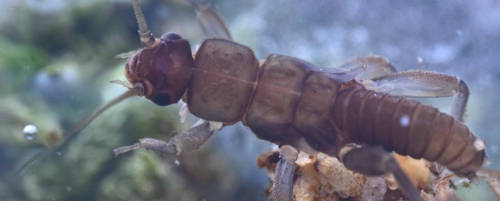
E.P.T. river's health
The benthic macroinvertebrates are good indicators of local conditions and are particularly suitable for assessing site-specific impacts
- A research by National Institute of the Republic of Serbia, University of Belgrade-
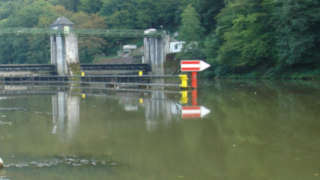
EU directives
Water is life ! It is a precondition for human, animal and plant life as well as an indispensable resource for the economy. Water also plays a fundamental role in the climate regulation cycle
Catch & release
C&R primary environmental meaning is conservation: it protects fish populations from overharvesting, maintains balanced aquatic ecosystems, and ensures
breeding fish remain in the gene pool to spawn future generations.

Water bodies
Water bodies, particularly flowing river systems, are classified depending on their longitudinal zonation, which is primarily determined by physical characteristics like temperature, flow velocity, and oxygen content

ECOSYSTEMS
In an ecosystem lots of different organisms interact with each other. The living organisms can be divided into three categories: producers, consumers and decomposers.
