The quality of our freshwater ecosystems is one of the most critical environmental metrics of our time, yet it cannot be fully understood through chemical water testing alone.
While chemical analysis provides a temporary snapshot of water quality, biological monitoring offers a continuous, living record of environmental health. At the heart of this biological assessment is the E.P.T. index, a powerful ecological tool that relies on the presence and abundance of three specific orders of aquatic insects:
Ephemeroptera (mayflies)
Plecoptera (stoneflies)
Trichoptera (caddisflies)
Because these organisms are highly sensitive to pollution, their diversity and density serve as the ultimate barometer for freshwater health.
The E.P.T. index is uniquely valuable because these macroinvertebrates spend most of their life cycles on the riverbed, meaning they cannot escape environmental stressors. If a toxic spill, agricultural runoff, or a sudden spike in water temperature occurs, sensitive species perish or disappear. Therefore, a high E.P.T. score directly correlates with excellent water quality, high dissolved oxygen levels, and a minimal presence of organic pollution. Conversely, a low score warns ecologists of environmental degradation long before the visual symptoms of a dying river become obvious.
While monitoring large rivers is vital, the complementary battleground for freshwater conservation lies in smaller streams and headwaters.
These first-order streams represent the literal capillaries of our watersheds.
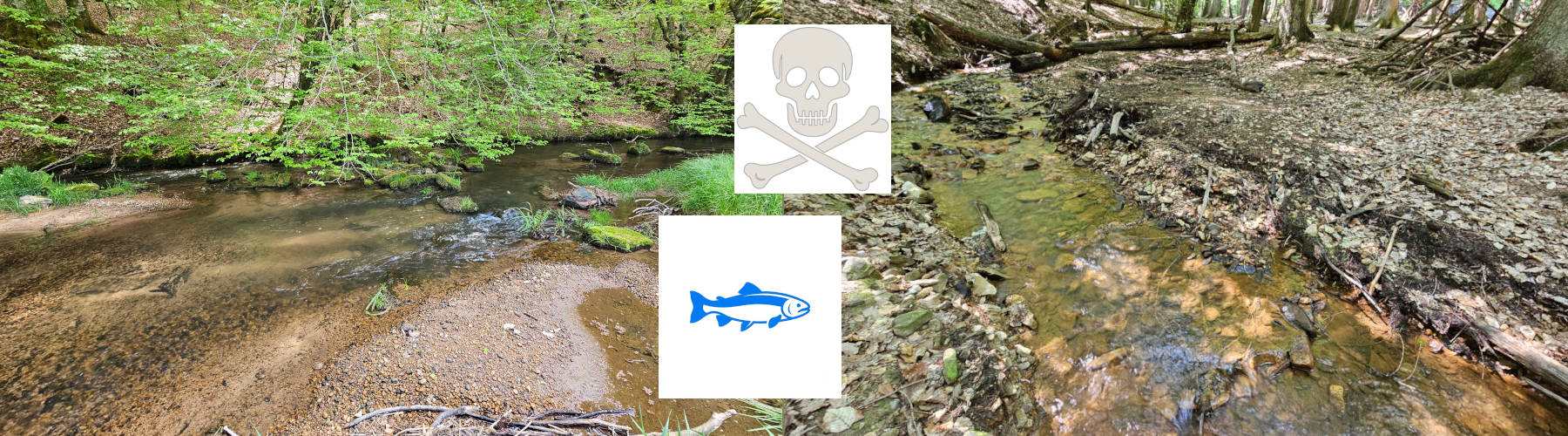
Because they are small and intimately connected to the surrounding land, they are incredibly vulnerable to localized pollution, sedimentation, and habitat destruction. Ensuring that headwaters remain sound and clean from pollution is paramount; they dictate the chemical and biological downstream reality.
If the headwaters are choked with pollutants or stripped of their sensitive E.P.T. communities, the ecological degradation cascades downward, compromising larger river systems, reducing biodiversity, and threatening human water security.
Protecting smaller streams is not an isolated conservation effort; it is the foundational step in safeguarding entire aquatic networks.
Historically, assessing these vital macroinvertebrate populations required invasive sampling techniques.
Traditional sampling often involved sweeping organisms into nets, preserving them in alcohol, and transporting them to a laboratory for microscopic identification, a process that inevitably kills the very organisms used to gauge the river's vitality. To resolve this ecological contradiction, the euroflyangler.com sustainable method offers an innovative, low-impact alternative for macroinvertebrate sampling.
Designed to achieve maximum sustainability and the lowest possible impact on the environment, this method eliminates the need for lethal preservation. Instead, the bugs are collected and photographed directly in the water, by the river.
By utilizing high-resolution digital photography right at the stream bank, monitors can identify crucial E.P.T. features down to the necessary taxonomic level without harming the specimens.
Once documented, the insects are immediately returned alive to their exact microhabitat. This non-lethal, streamside methodology ensures that vital citizen science and professional monitoring can take place continuously—even in fragile, highly vulnerable headwaters—without depleting the very biodiversity we are trying to protect.
Ultimately, the E.P.T. index reminds us that the health of our waters is written in the lives of its smallest inhabitants.
By prioritizing the purity of our headwaters and adopting ultra-sustainable sampling practices like those championed by euroflyangler.com, we can accurately diagnose our freshwater ecosystems while leaving no footprint behind.
While chemical analysis provides a temporary snapshot of water quality, biological monitoring offers a continuous, living record of environmental health. At the heart of this biological assessment is the E.P.T. index, a powerful ecological tool that relies on the presence and abundance of three specific orders of aquatic insects:
Ephemeroptera (mayflies)
Plecoptera (stoneflies)
Trichoptera (caddisflies)
Because these organisms are highly sensitive to pollution, their diversity and density serve as the ultimate barometer for freshwater health.
The E.P.T. index is uniquely valuable because these macroinvertebrates spend most of their life cycles on the riverbed, meaning they cannot escape environmental stressors. If a toxic spill, agricultural runoff, or a sudden spike in water temperature occurs, sensitive species perish or disappear. Therefore, a high E.P.T. score directly correlates with excellent water quality, high dissolved oxygen levels, and a minimal presence of organic pollution. Conversely, a low score warns ecologists of environmental degradation long before the visual symptoms of a dying river become obvious.
While monitoring large rivers is vital, the complementary battleground for freshwater conservation lies in smaller streams and headwaters.
These first-order streams represent the literal capillaries of our watersheds.
Because they are small and intimately connected to the surrounding land, they are incredibly vulnerable to localized pollution, sedimentation, and habitat destruction. Ensuring that headwaters remain sound and clean from pollution is paramount; they dictate the chemical and biological downstream reality.
If the headwaters are choked with pollutants or stripped of their sensitive E.P.T. communities, the ecological degradation cascades downward, compromising larger river systems, reducing biodiversity, and threatening human water security.
Protecting smaller streams is not an isolated conservation effort; it is the foundational step in safeguarding entire aquatic networks.
Historically, assessing these vital macroinvertebrate populations required invasive sampling techniques.
Traditional sampling often involved sweeping organisms into nets, preserving them in alcohol, and transporting them to a laboratory for microscopic identification, a process that inevitably kills the very organisms used to gauge the river's vitality. To resolve this ecological contradiction, the euroflyangler.com sustainable method offers an innovative, low-impact alternative for macroinvertebrate sampling.
Designed to achieve maximum sustainability and the lowest possible impact on the environment, this method eliminates the need for lethal preservation. Instead, the bugs are collected and photographed directly in the water, by the river.
By utilizing high-resolution digital photography right at the stream bank, monitors can identify crucial E.P.T. features down to the necessary taxonomic level without harming the specimens.
Once documented, the insects are immediately returned alive to their exact microhabitat. This non-lethal, streamside methodology ensures that vital citizen science and professional monitoring can take place continuously—even in fragile, highly vulnerable headwaters—without depleting the very biodiversity we are trying to protect.
Ultimately, the E.P.T. index reminds us that the health of our waters is written in the lives of its smallest inhabitants.
By prioritizing the purity of our headwaters and adopting ultra-sustainable sampling practices like those championed by euroflyangler.com, we can accurately diagnose our freshwater ecosystems while leaving no footprint behind.